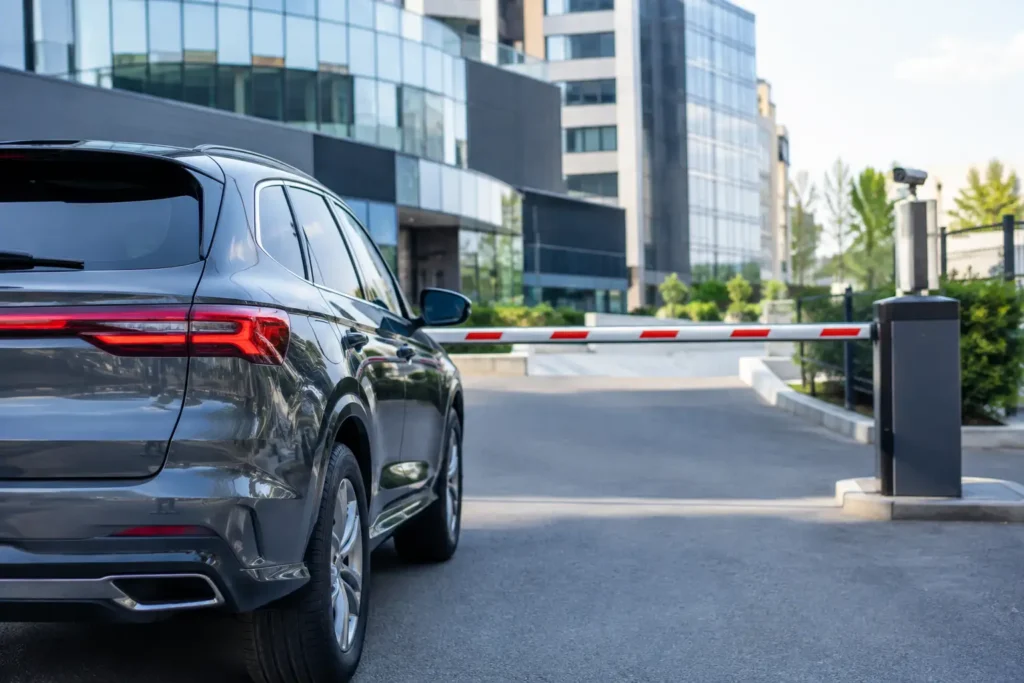
Is MediaCity Gated Parking Safer for Your Car?
A bay behind a gate can feel like an obvious upgrade, particularly when you leave your vehicle for days at a time rather than just during the working day. But is MediaCity gated parking safer in every case? Usually, a well-managed gated development offers a better level of protection than an exposed space with unrestricted access. The key word is well-managed. A gate is one part of security, not a guarantee in itself.
For residents, professionals and owners of higher-value vehicles, the practical question is not simply whether a car park has a barrier. It is whether the parking arrangement limits access, is properly overseen and gives you confidence that your allocated bay will remain usable month after month.
Is MediaCity gated parking safer than open parking?
In most long-term situations, yes. Gated private parking adds a meaningful barrier between vehicles and casual access. Anyone entering normally needs a fob, remote, keypad code or permission from a resident. That reduces through-traffic and makes a car park less visible and less convenient for unauthorised visitors.
The benefit is strongest in residential developments where the parking area sits within the building footprint, behind a controlled entrance, or underground. These spaces are often used by the same group of residents and long-term tenants each day. Familiarity matters: people are more likely to notice an unfamiliar vehicle, a damaged gate or someone attempting to access areas where they should not be.
That said, a gated bay is not automatically a secure bay. Tailgating can happen when a vehicle follows another through an open barrier. Gates can be left open during deliveries, repairs or moves. Shared access codes may be passed on more widely than intended. The practical standard depends on the whole setup, including how the building is run and how quickly access issues are dealt with.
What makes a gated parking space genuinely safer?
The best private parking arrangements combine several simple features. Controlled entry is the starting point, but it works best alongside clear boundaries, good visibility and active property management.
Access should be controlled, not merely available
A fob or remote-controlled gate is generally preferable to an entrance that is routinely left open. Individual access devices provide more accountability than a code shared between numerous users. For a monthly tenant, it is sensible to establish exactly what access you will receive before agreeing to a space: a dedicated fob, a remote, a permit, or access through the owner or concierge.
It is also worth asking whether there is a replacement process if an access device stops working. A secure space is of little use if getting in and out becomes unreliable, particularly for someone who depends on the vehicle for regular commuting or business use.
The car park should have clear physical separation
An underground residents’ car park, an enclosed courtyard with a controlled gate, and an allocated bay in a largely open development can all be described as gated. They do not offer the same level of protection.
Look at the perimeter as well as the entrance. Are pedestrian entrances controlled? Is there open access from surrounding walkways? Can somebody easily enter from another part of the development? A parking area with defined boundaries and limited entry points is generally easier for building staff and residents to oversee.
For prestige, performance, classic or collectible vehicles, an enclosed garage or a bay within a secure underground area may be more suitable than an outdoor gated space. The decision is not just about unwanted access. Covered parking can also reduce exposure to weather, debris and avoidable attention.
Lighting and visibility still matter
Good lighting makes it easier to park, identify your vehicle and notice anything out of place. It also makes enclosed areas feel safer at early or late hours. This does not mean every bright car park is perfectly secure, but poor lighting is a reasonable concern when choosing a long-term space.
Visibility matters too. A bay close to regular pedestrian routes, a lift lobby or a staffed reception may be observed more often than one at the furthest edge of a large parking level. Some drivers prefer the quietest possible corner; others value a space that benefits from ordinary resident activity. There is no universal answer, but it is worth considering how isolated the bay feels during the times you are most likely to use it.
Management can matter more than the gate
A development with a clear reporting route for broken gates, damaged access points or unauthorised vehicles is usually a stronger long-term proposition than one with more impressive hardware but little follow-through. Concierges, managing agents and on-site teams cannot eliminate every risk, but they can make the environment more orderly and responsive.
Before renting, ask the owner practical questions. Has the gate been reliable? Who manages the parking area? Is there a concierge or building contact? Are there specific rules for visitor access, permits or vehicle registration? Straight answers are often a useful indication that the space is being let responsibly.
The trade-offs of gated parking in MediaCity
Security and convenience need to work together. A gated space may cost more than a less protected alternative because it is part of a residential development with controlled access and limited supply. For many drivers, especially those living nearby or using their car regularly, the additional monthly cost is justified by the predictability of having an allocated place.
There can also be practical restrictions. Some developments have height limits, tight ramps, narrow turning areas or rules around vehicle size. A large SUV, low-slung performance car or wide prestige vehicle may not suit every underground bay. Confirm the bay dimensions, approach route and any access limitations rather than assuming the space will be suitable from photographs alone.
Access arrangements deserve equal attention. If a space is rented from a private owner, clarify how the fob or remote is issued, whether there is a deposit for it, and what happens at the end of the agreement. A straightforward arrangement protects both sides: the driver has reliable entry, while the owner knows building access remains controlled.
A sensible checklist before committing to a bay
For long-term parking, inspect the space where possible and judge the day-to-day reality rather than the listing description alone. Confirm that the bay is allocated, that the owner has the right to rent it, and that your vehicle fits comfortably. Ask how access is provided and whether the gate and pedestrian entry points are consistently secure.
Also consider the location of the bay within the development. A space near a lift, entrance or regular route may suit a driver who uses the car frequently. A more enclosed position may appeal to someone storing a vehicle for longer periods. Neither is automatically better, but the choice should reflect how often you will visit and the value you place on convenience versus seclusion.
For bay owners, these details also help attract the right renter. A clear description of the entrance type, bay position, access device and any vehicle restrictions saves time and sets sensible expectations. Long-term users value certainty more than vague claims of security.
The right question to ask before you rent
Rather than asking only whether a space is gated, ask whether it is a controlled, reliable and appropriate place for your vehicle. In MediaCity, demand for private residential parking means the best spaces are often those with a clear access arrangement, sensible management and an owner who can explain exactly how the site operates.
Manchester City Parking focuses on matching drivers with private long-term bays and garages where those practical details are clear from the outset. The right space should not leave you guessing about entry, suitability or availability. It should simply become the dependable place you leave your car.